Table of Contents
Thinking about smoothing chips, closing small gaps, or brightening teeth that don’t respond to whitening? It’s natural to ask, “am I a candidate for veneers?” Billings West Dental in Billings, MT, designs veneers to look natural and feel comfortable—whether you’re enhancing one front tooth or planning a bigger smile refresh. This guide explains what veneers can do, who tends to be a great fit, when an alternative might be smarter, and how the process works without getting overly technical.
Veneers 101: What they can improve
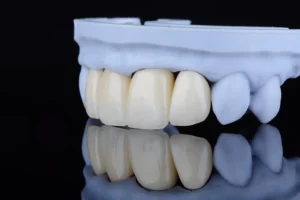
Dental veneers are thin shells of porcelain or resin (composite) bonded to the front of teeth. They can:
- Hide chips and hairline fractures
- Refine shape and length for symmetry
- Close small gaps and correct minor size issues
- Cover intrinsic discoloration that whitening doesn’t lift
- Create a smoother, more uniform color across your smile
Veneers are custom-shaded and crafted to complement your lips, gums, and facial features for a believable, not “one-tone” look.
1) Your goals match what veneers do best
You’re likely a strong candidate if your wish list includes brighter color, smoother edges, or better symmetry—without a major bite change. Veneers shine when teeth are basically healthy but the appearance needs a boost.
2) Your gums are healthy (or you’re ready to get them there)
Healthy gums help veneers look natural and last. If we spot inflammation or buildup during an exam, we’ll treat that first. A stable foundation pays off in comfort and longevity. For everyday prevention basics, the ADA is a great reference.
3) You have enough enamel for a conservative prep
Veneers are designed to be conservative—Dr. Low removes only a small amount of enamel on the front surface so the veneer sits flush and looks seamless. If enamel is extremely thin from erosion or wear, we may discuss alternatives (such as an esthetic crown) to protect the tooth while improving esthetics.
4) Your bite is stable (no major functional problems)
Mild wear is common and usually fine. But heavy grinding, a deep bite that stresses edges, or teeth that collide awkwardly can shorten veneer lifespan. None of those are automatic disqualifiers—we may recommend a nightguard or adjust the plan so your new edges stay chip-free.
5) You understand material choices: porcelain vs. composite
- Porcelain veneers: excellent translucence and stain resistance; great for multi-tooth smile makeovers and longer-term results.
- Composite veneers: useful for one or two teeth, quick repairs, and budget-friendly goals; may need more maintenance over time.
If you’re picky about shade matching across several teeth or want the most durable option, porcelain often wins. If you’re testing a shape change or fixing a single chip, composite can be perfect.
6) Your expectations are natural and realistic
Two to three shade steps often look fresh and believable; ultra-bright shades can appear flat in real life. We’ll help you choose a color and shape that fit your features and photographs well.
7) You’re ready for simple care habits
Veneers don’t require special routines—just smart ones: brush with a non-abrasive toothpaste, floss daily, avoid chewing ice and very hard candies, and wear a nightguard if you clench. Regular cleanings keep margins polished and gums healthy.
When veneers may not be the first choice
Veneers are versatile, but they aren’t universal. You might talk through alternatives first if you have:
- Large cracks, big fillings, or heavy breakdown → An esthetic crown may protect the tooth better while still looking great.
- Active decay or gum disease → We’ll treat health issues first, then revisit veneers.
- Severe misalignment → Orthodontics can correct the foundation, then veneers refine final shape/color.
- Expectations that only veneers can’t meet → For internal gray or brown discoloration, porcelain veneers usually outperform whitening; for missing teeth, implants or bridges restore appearance and function together.
Cosmetic Dentistry Tips: How to Make Results Last
Once you’re a candidate and ready to proceed, small habits protect your smile investment:
- Whiten first if you’re planning to brighten nearby natural teeth; restorations don’t change color with whitening.
- Use a soft brush and non-abrasive paste to preserve veneer gloss.
- Floss daily—gently hug the veneer edges.
- Skip teeth-as-tools moments and avoid ice or unpopped kernels.
- Consider a nightguard if you clench or grind; it’s high-value insurance for edges.
The veneer process at Billings West Dental (kept simple)
- Conversation & planning
Tell us what you’d like to change—color, a chip, shape, small gaps. We’ll photograph and discuss a natural shade target. - Conservative preparation
Dr. Low removes a minimal amount of enamel from the front surface to make room for the veneer. - Digital scan
We take a precise digital scan to guide your custom porcelain or composite veneer. - Try-in & bonding
When your veneer is ready, we test the fit and shade. If we both love it, Dr. Low bonds and polishes it, then checks your bite for comfort. - Follow-up
We schedule a quick check to fine-tune anything and go over care tips.
Veneers can enhance a single tooth or several at once; with good care, many patients enjoy up to 10 years before considering replacement.
FAQs: Am I a Candidate for Veneers?
Do veneers damage my teeth?
Veneers require conservative enamel removal only where needed. Your underlying tooth remains intact, and the veneer provides a protective outer layer.
Will my veneers look natural?
Yes—porcelain in particular mimics enamel’s translucence. We match shade and shape to your features for a believable result.
Can I whiten after getting veneers?
Whitening brightens natural enamel but not porcelain or composite. If you want a lighter overall look, whiten before veneers so we can match that new shade.
What if I only dislike one tooth?
Single-tooth veneers are common. Shade matching is meticulous so the veneer blends with neighbors.
How much do veneers cost?
Fees depend on material (porcelain vs. composite) and how many teeth are treated.
Ready to find out if you’re a candidate?
The quickest way to know is a friendly consultation with Dr. Low. We’ll review your goals, check gum and enamel health, and map out options—veneers, whitening, esthetic crowns, or a combination—so you can choose confidently. Call Billings West Dental in Billings, MT to schedule your visit.